A cable tie gun (tensioning tool) pulls each tie to the same set tension and cuts the tail flush with the head in one squeeze. For a few ties, side cutters are fine. For hundreds of ties, for data cable that must not be crushed, or for any stainless steel ties, a gun saves time, protects hands and leaves no sharp tails.
This guide explains why tension and flush cutting matter, which gun suits which tie, how to use one, and when it pays for itself.
What does a cable tie gun do?
A cable tie gun grips the tail of the tie, pulls it until it reaches a set tension, then cuts it off level with the head.
Most guns have a dial or knob that sets the tension. Once set, every tie on the job gets the same pull, which is very hard to do by hand after the first few dozen.
Why does cable tie tension matter?
- Too loose: the bundle moves, rubs and wears through insulation, and loose ties slide along the run.
- Too tight: the tie can crush data cable and deform soft insulation, which can affect network performance and shorten cable life.
- Consistent: a gun set once gives every tie the same tension, so the job looks and performs the same from end to end.
On data cable in particular, ties should be just firm enough to hold the bundle without indenting the jacket. Many cablers use a low setting on the gun, or hook-and-loop straps in racks.
Why does flush cutting matter?
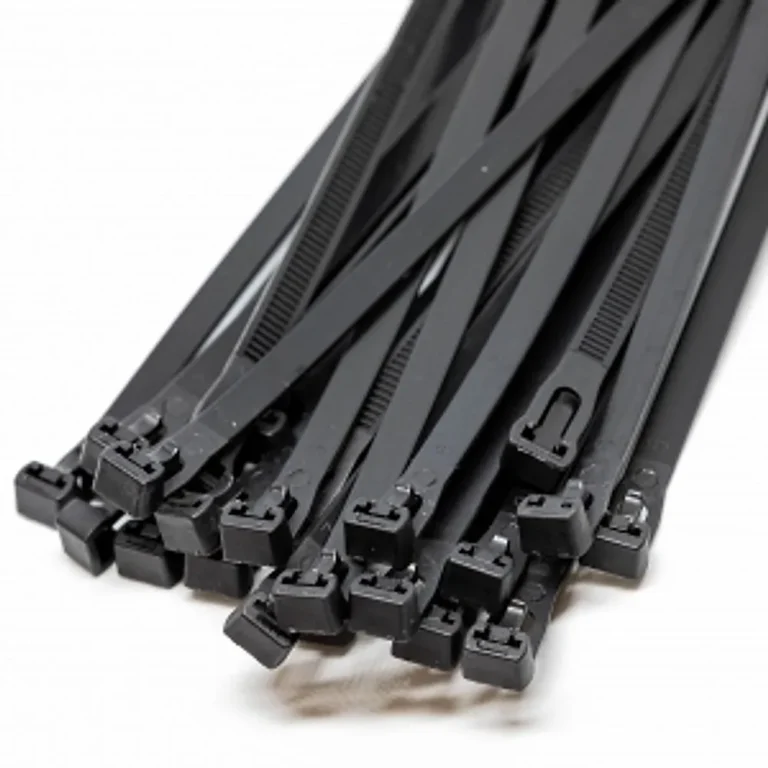
A tail cut with snips at an angle leaves a sharp point that cuts hands, snags clothing and scratches anything that brushes past.
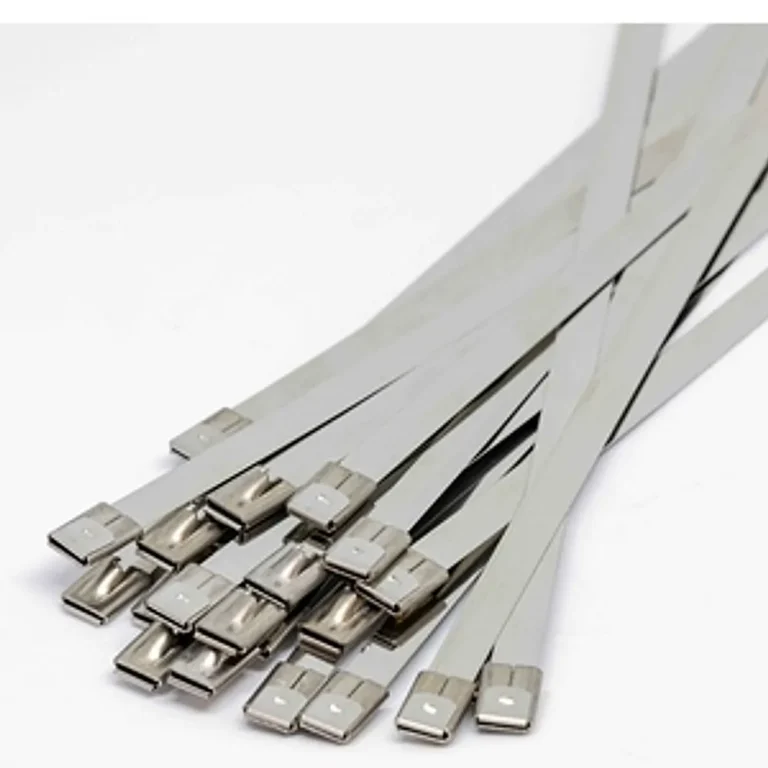
A gun cuts square at the head, leaving nothing to catch. On nylon ties that is a tidy finish; on stainless steel ties it is a safety issue, because a hand-cut stainless tail is razor sharp.
Which cable tie gun suits which tie?
| Tool | Suits | Typical users |
|---|---|---|
| Blue nylon gun | Nylon ties 2.2mm to 4.8mm | Data cablers, electricians, light looms |
| Red fastening gun | Nylon ties 2.2mm to 12mm, adjustable tension | Electricians, panel builders, light and heavy work |
| Heavy duty stainless gun | Stainless ties 3mm to 7.9mm | Solar, marine, mining, industrial |
All three are in cable tie guns and tools. A nylon gun will not handle stainless strap, and a stainless gun is overkill for fine data ties, so choose by the ties you fit most.
How do I use a cable tie gun?
- Fit the tie around the bundle and pull it snug by hand.
- Set the tension: low for data and soft cable, higher for heavy looms and outdoor bundles.
- Slide the tail into the gun nose and seat the nose firmly against the tie head.
- Squeeze the trigger. The gun tensions to its setting, then cuts.
- Check the first few ties and adjust the tension if the bundle is loose or the jacket is dented.
Keep the nose square to the head. Cutting at an angle leaves a small point even with a gun.
Is a cable tie gun worth it?
If you fit more than a few dozen ties a week, or any stainless ties at all, yes.
| Situation | Gun worth it? |
|---|---|
| A few ties around the house | No, use flush side cutters |
| Weekly electrical or data work | Yes, a nylon gun |
| Switchboards and panel building | Yes, for consistent tension and a neat finish |
| Solar arrays, marine or industrial stainless work | Yes, a stainless gun is close to essential |
| Fencing and shade cloth with 7.6mm or 9mm ties | Helpful, especially for long runs |
Electricians, data cablers, solar installers and panel builders usually keep one in the van.
How do I look after a cable tie gun?
- Keep the nose and cutter clean of nylon shavings and dust.
- Do not use a nylon gun on stainless strap; it will blunt or damage the cutter.
- Store it dry, especially after outdoor or marine work.
- Check the cutter edge if tails start to look ragged or angled.
What about removing ties?
Use flush side cutters, cutting away from the cable insulation. For stainless ties, wear gloves and collect the offcuts. To open a nylon tie without cutting it, see how to release a cable tie, and for stainless work see how to install stainless steel cable ties.
Quick answers
Can a nylon cable tie gun cut stainless ties?
No. Stainless strap needs a stainless gun with a hardened cutter.
What tension should I use for data cable?
The lowest setting that holds the bundle without denting the cable jacket. Check the first few ties.
Does a cable tie gun work on wide ties?
The red fastening gun handles nylon ties up to 12mm. Check the range of each gun before buying.
Why do my ties still have a sharp end?
The gun nose was probably not square to the head, or the cutter is worn.