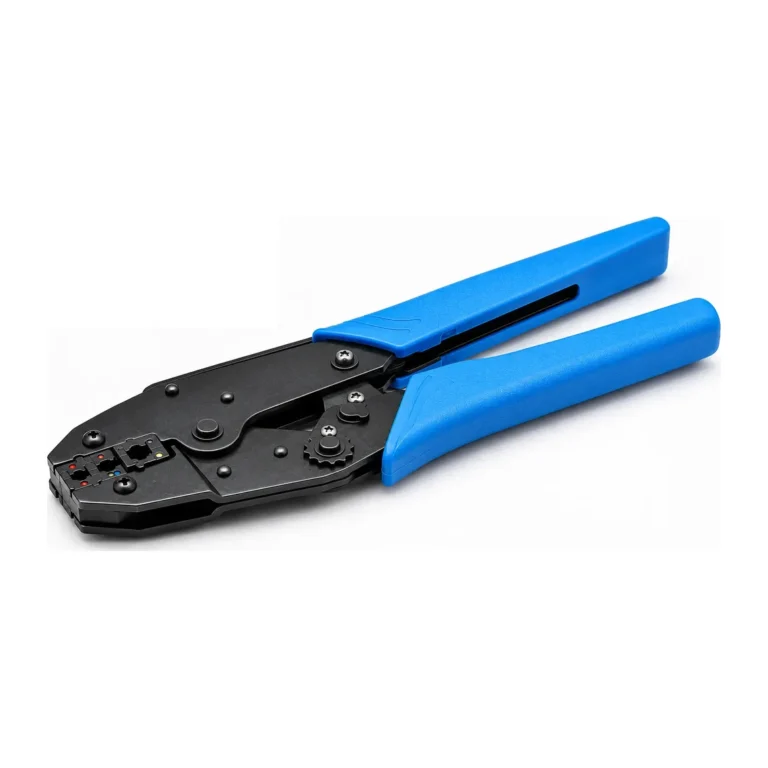
Red, blue and yellow insulated crimp terminals are colour coded by the size of wire they fit: red for the smallest wire (3mm in our range), blue for the middle size (4mm) and yellow for the largest (5mm). The same colours are marked on the dies of a ratchet crimper, so the terminal, the wire and the tool all match. Match the colour every time; a wrong-size terminal is the most common cause of a failed crimp.
This guide explains the colour code, how to check your wire size, the terminal types in each colour, and why matching matters.
What do the terminal colours mean?
The colour is on the insulating sleeve of the terminal and tells you the wire size range it is designed for.
| Colour | Wire in our range | Typical uses |
|---|---|---|
| Red | 3mm wire | Sensors, LEDs, trailer indicators, light 12V circuits |
| Blue | 4mm wire | Most automotive accessories, horns, fans, lights |
| Yellow | 5mm wire | Driving lights, fridges, camper power, earth straps |
The colour code is widely used across insulated terminals, but exact wire ranges vary by maker. Always check the range on the packaging.
How do I know what size my wire is?
Our product names give the wire size as 3mm, 4mm or 5mm, the way automotive cable is commonly sold in Australia. That figure is a trade size based on the overall cable, not the copper cross-section.
If your cable is marked in mm² (cross-sectional area of copper) or AWG (American Wire Gauge), check the terminal packaging, compare the stripped copper with the terminal barrel, or ask us before ordering. The strands should fill the barrel snugly without forcing or cutting any strands.
Which terminal types come in each colour?
- Ring terminals: fit over a stud or bolt and cannot slide off if the nut loosens. Choose the ring size to suit the stud.
- Male blades and female blades: 6.4mm plug-together joins you can separate later.
- Fully insulated female blades: the sleeve covers the whole blade, so an unplugged terminal cannot short against metal.
- Scotchlox connectors: tap a new wire into an existing one without cutting it.
- Heat shrink joiners: join two wires end to end and seal the join.
Browse all crimp terminals.
Which ring terminal size fits my stud?
| Colour | Wire | Stud sizes in our range |
|---|---|---|
| Red | 3mm | 4mm and 6mm studs |
| Blue | 4mm | 4mm, 6mm and 8mm studs |
| Yellow | 5mm | 8mm and 10mm studs |
Choose the ring that fits the stud closely. A ring much bigger than the stud has less contact area under the nut.
Why does matching the colour matter?
A terminal too big for the wire crimps loosely: the barrel cannot close enough on the strands, so the wire pulls out or the joint heats up under load. A terminal too small means the strands will not fit, so people cut strands to force them in, which reduces the copper and overheats the join.
Match the terminal colour to the wire, then use the same colour die on a ratchet crimper. The ratchet will not release until the crimp is complete, so every crimp gets full pressure.
Do terminal colours relate to wire insulation colours?
No. The terminal colour shows the wire size, not the circuit. A red terminal does not mean positive and a blue terminal does not mean negative. Use your wire insulation colours, labels or cable tie markers to identify circuits.
How do I crimp and seal them?
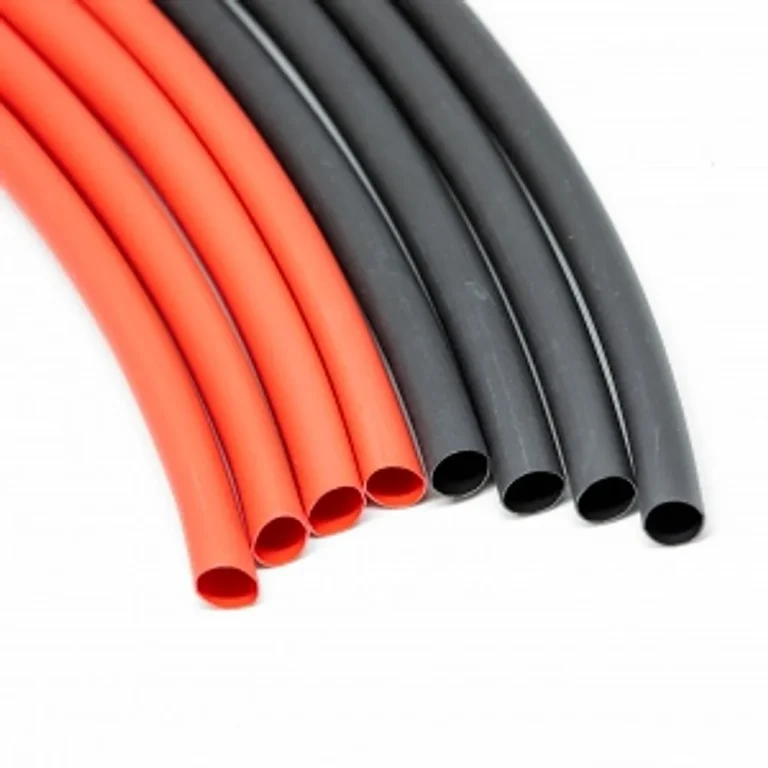
Strip to the barrel length, insert, crimp in the matching die, pull test, and seal wet-location joins with adhesive heat shrink. Full method: how to crimp insulated terminals properly. For sizing heat shrink over terminals, see heat shrink size guide.
Quick answers
What size wire is a blue terminal for?
In our range, blue terminals suit 4mm wire. Check the packaging range for other brands.
Does a red terminal mean positive?
No. Terminal colour shows wire size only, not polarity or circuit.
Can I use a yellow terminal on smaller wire?
No. It will crimp loosely and can pull off or overheat. Use the matching colour.
What crimper do I need for red, blue and yellow terminals?
A ratchet crimping tool with red, blue and yellow colour-coded dies.