For events and temporary fencing, use 7.6 x 300mm black ties for shade cloth, scrim and banners on fence panels, 9 x 530mm ties for joining barrier feet, and 4.8 x 200mm ties for cable runs and marking. Use releasable ties for anything you will undo at pack-down, colour code by zone or contractor, and collect every offcut. Cable ties hold fabric to a fence; they do not hold the fence up.
This guide covers what to use where, speeding up pack-down, wind, colour coding and leaving the site clean.
Why do events go through so many cable ties?
Events, markets, festivals and building sites use cable ties for almost everything: fence scrim, banners, shade, barriers, signs and power and data runs. It all goes up for a few days or weeks and then comes down again, often in a hurry, often in wind and sun. Choosing the right tie for each job makes set-up faster and pack-down safer.
Which cable ties suit each event job?
| Job | Tie |
|---|---|
| Shade cloth or scrim to fence panels | 7.6 x 300mm black |
| Banners and signs | 7.6 x 300mm black, or releasable |
| Joining barrier or panel feet | 9 x 530mm black |
| Cable runs along fences and barriers | 4.8 x 200mm black |
| Marking zones, gates and exits | 4.8 x 200mm orange or colours |
| Lighting and decorations | 4.8 x 200 to 300mm black or releasable |
Shop 7.6mm black, 9mm black and 4.8mm black cable ties.
How can I speed up pack-down?
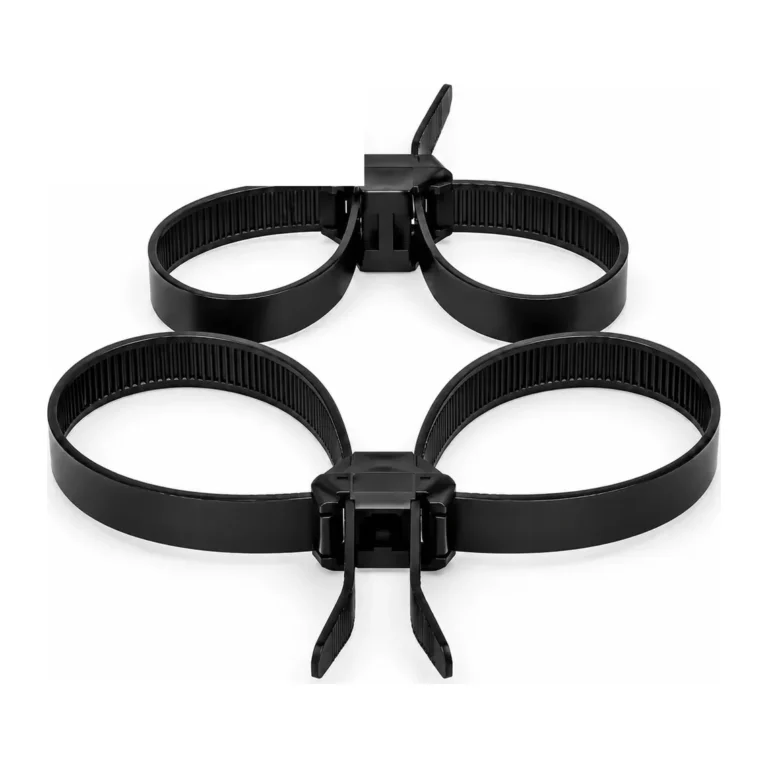
- Use releasable ties for anything you will undo. They open with a thumb press and go back in the box for the next event.
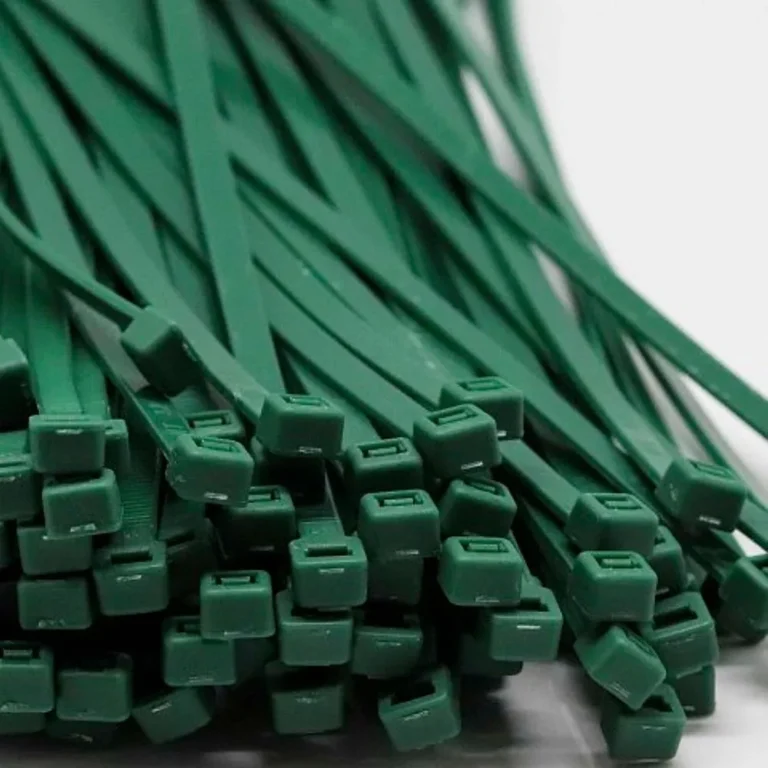
- Colour code by zone, contractor or day so crews know exactly what to remove and what belongs to someone else.
- Give pack-down crews flush cutters, not knives. Knives slip, cut scrim and cut hands.
- Face all tie heads the same way so they are easy to find and cut.
- Have bins or buckets at each fence line for offcuts.
Releasable ties are compared in releasable vs standard cable ties.
How do I deal with wind on scrim and banners?
Scrim and banners act like sails and catch a lot of wind. Tie at every eyelet, keep spacing close (at least every 500mm along the top), and leave wind vents or use mesh banners on exposed sites.
Use proper fence bracing, stays and weights for the fence panels themselves. Cable ties hold fabric to a fence; they do not stop a fence blowing over. If wind is forecast, have a plan to drop banners and scrim before it arrives. Fencing and shade spacing is covered in more detail in cable ties for fencing, mesh and shade cloth.
Which colours work for event and site marking?
Orange ties are the usual colour for temporary works on sites and at events. Other colours can mark zones, stages, suppliers or days. Write the code on the site plan and brief the crews. See colour coding with cable ties.
How do I run temporary power and data cable?
- Tie cable runs to fences and barriers with 4.8mm black ties at regular spacing so cables do not hang in walkways.
- Use proper cable covers or ramps where cables cross a walkway or road; do not just tie them down.
- Keep power and data runs separate, and label them.
- Temporary electrical installations must be set up by appropriately licensed people.
How do I leave the site clean?
Collect every offcut. Cable tie tails left on the ground end up in drains, paddocks and waterways, and they are a hazard for stock and wildlife. Do a final walk of every fence line after pack-down. Reusing releasable ties also means fewer offcuts in the first place.
Quick answers
What size cable ties are best for temporary fencing?
7.6 x 300mm black ties for scrim and shade cloth, and 9 x 530mm ties for joining panel feet.
Are releasable cable ties good for events?
Yes. They open with a thumb and can be reused, which speeds up pack-down and cuts waste.
How do I attach a banner to a fence?
Tie at every eyelet with 7.6mm black ties, at least every 500mm along the top, and use mesh banners on windy sites.
What colour ties are used for temporary works?
Orange is the common choice, with other colours for zones or contractors as agreed on site.