For marine wiring, use 316 stainless steel cable ties where they are exposed to sun and spray, UV-stabilised black nylon ties under cover away from heat, ring terminals on battery and stud connections, and seal every crimped join with adhesive dual wall heat shrink. Salt water gets into unsealed joins and corrodes the copper out of sight, so sealing matters more than anything else.
This guide covers cable ties, sealed joins, terminals, hose clamps and maintenance for boats and coastal installs. Boat electrical systems should be installed to the applicable standards, and 240V work done by a licensed electrician.
Why do wiring parts fail on boats?
Boats and coastal installs combine everything that shortens the life of wiring: salt spray, constant damp, UV, heat in engine spaces, and movement from waves and engines. Small parts like ties and terminals are usually the first to fail, and the failure is often hidden inside a loom or under heat shrink until a circuit stops working.
Which cable ties should I use on a boat?
| Location | Best tie | Why |
|---|---|---|
| Exposed to sun and spray | 316 stainless steel | Not affected by UV; resists salt. 304 will pit in salt air |
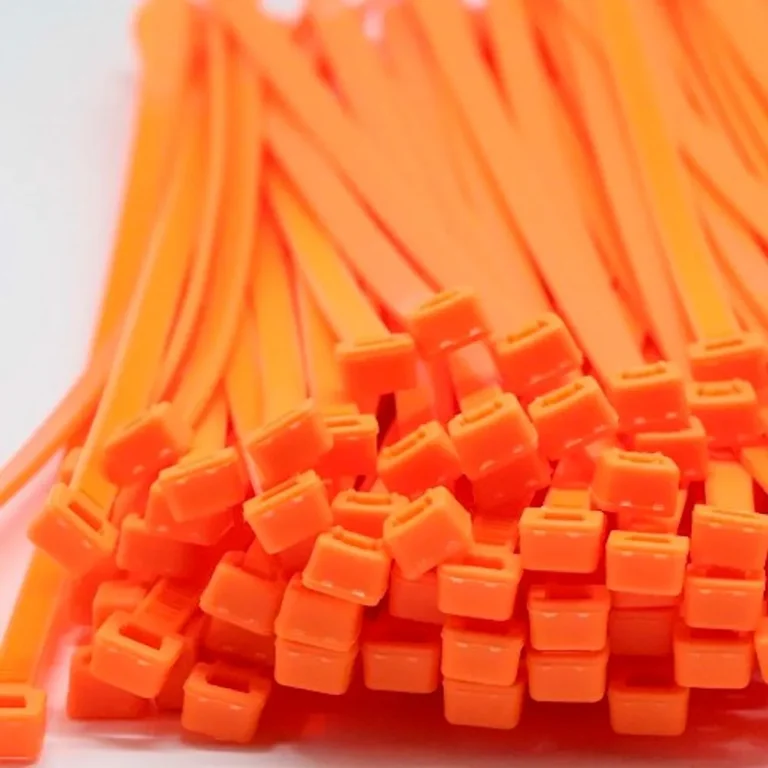
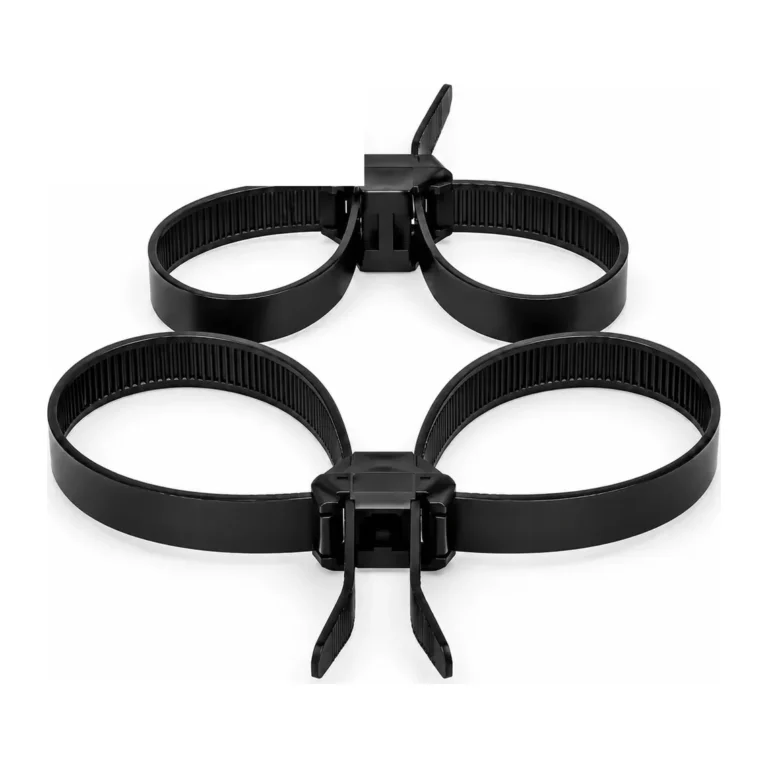
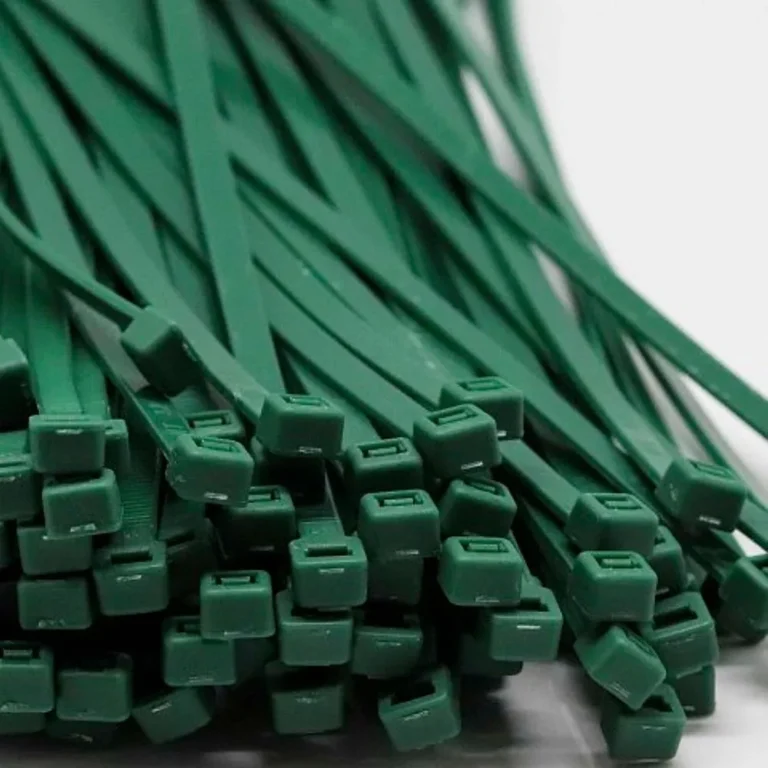
| Under cover, away from heat | UV-stabilised black nylon 66 | Gentle on cable, easy to replace |
| On painted rails or near aluminium | Nylon-coated stainless | Protects the finish and keeps steel off aluminium |
| Engine spaces near hot parts | Stainless steel | Nylon softens near exhausts and manifolds |
| Looms near moving parts | Black nylon or stainless, closely spaced | Keeps wiring clear of steering, shafts and belts |
The grade choice is explained in 304 vs 316 stainless steel cable ties.
Why must marine wiring joins be sealed?
Water gets into an unsealed crimp by capillary action, wicking along the strands inside the insulation, and corrodes the copper. The connection looks fine from outside but its resistance rises, it heats up and eventually fails.
Seal every join with 3:1 adhesive dual wall heat shrink, which has a glue lining that melts and seals the join as it shrinks, or use heat shrink wire joiners, which crimp and seal in one part. When you shrink it, heat until a small bead of adhesive shows at each end. See single wall vs dual wall heat shrink.
Which terminals suit marine wiring?
- Ring terminals on battery, busbar and stud connections. They cannot slide off if a nut loosens.
- Fully insulated female blades where a disconnected terminal could touch metal.
- Crimp with a ratchet crimping tool, so every crimp gets full pressure, then seal with adhesive heat shrink.
- Match the terminal colour to the wire size: red, blue or yellow.
Step by step method: how to crimp insulated terminals properly.
Which hose clamps should I use on a boat?
Use stainless hose clamps on every through-hull and below-waterline hose, and double-clamp where the fitting is long enough. German pattern 304 clamps have a solid band with embossed threads that clamps evenly and does not cut the hose. Inspect them each season, and replace any that show rust or will not tighten. See hose clamp types explained.
How should cable be run on a boat?
- Run cable high and dry where possible, above the bilge water line.
- Support cable runs every 300 to 450mm so they do not chafe with the boat’s movement.
- Protect cable where it passes through bulkheads with grommets or glands.
- Leave drip loops before connections so water runs off.
- Keep looms clear of engines, exhausts, shafts and steering gear.
How do I maintain marine wiring?
- Rinse exposed fittings with fresh water after use where you can.
- Check ties, terminals and clamps each season for corrosion, cracking or looseness.
- Replace any nylon tie that looks chalky or cracks when flexed.
- Look for green or white corrosion at terminals and replace the terminal and a short length of wire.
- Keep spare ties, terminals and heat shrink on board.
Quick answers
What cable ties are best for boats?
316 stainless steel ties for exposed areas, and UV-stabilised black nylon under cover.
Do I need adhesive heat shrink on marine joins?
Yes. Adhesive dual wall heat shrink seals the join so water cannot wick into the strands.
Can I use 304 stainless on a boat?
304 will pit and stain in salt air. Use 316 on boats and coastal sites.
Which terminal is best for battery connections?
An insulated ring terminal of the right wire size, crimped properly and sealed.