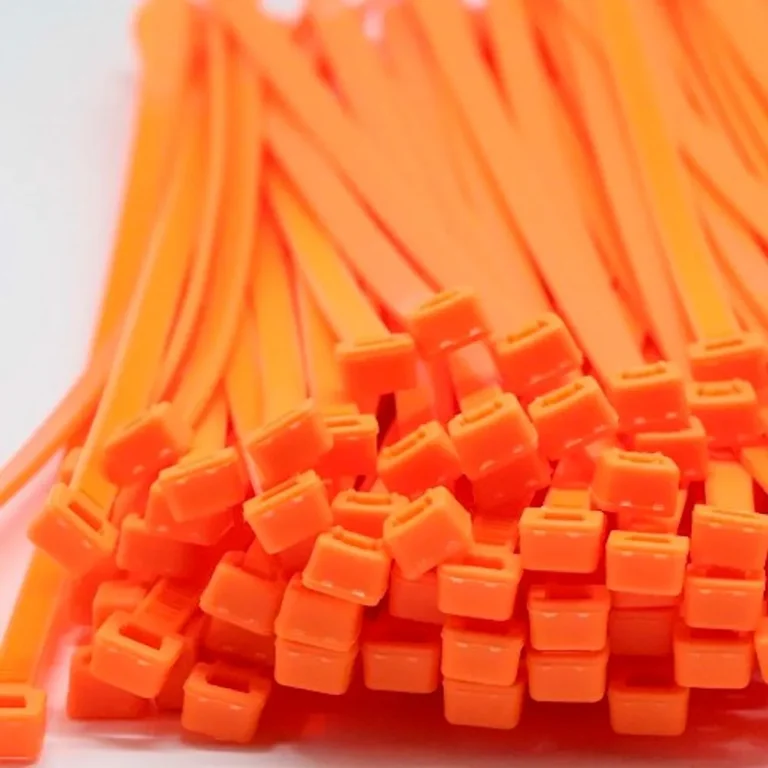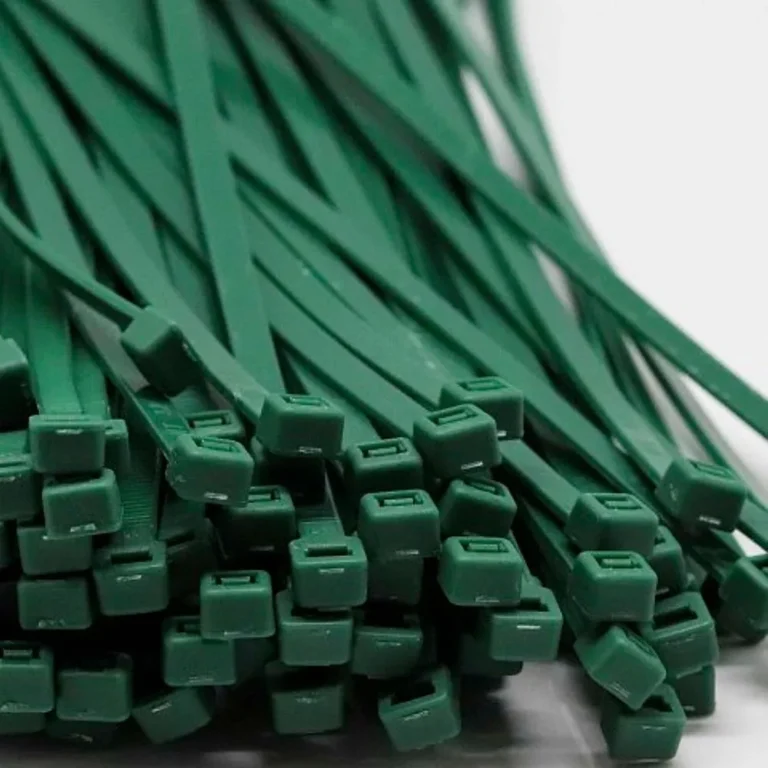
On cars, 4WDs and trailers, use black nylon 66 cable ties away from hot parts, stainless steel ties near exhausts and turbos, push type ties to refit looms into factory holes, 7.6mm heavy ties along the chassis, and dual handcuff ties to keep hoses apart. Support wiring every 300 to 400mm and seal every join, because road water and grit find any weak spot.
This guide goes through each area of the vehicle: under the bonnet, along the chassis, hoses, trailers and caravans, and accessory wiring.
Why is vehicle wiring so hard on cable ties?
Vehicle wiring has it tough: heat under the bonnet, constant vibration, water crossings, mud, dust, road salt and the occasional pressure wash. A tie that fails lets a loom sag onto a hot part or rub against a sharp edge, which can cause shorts and fires. The right tie in each location keeps looms from chafing and stops hoses wearing through.
Which cable ties should I use under the bonnet?
| Location | Best choice | Why |
|---|---|---|
| Away from hot parts | Black nylon 66, 4.8mm for looms, 7.6mm for heavier bundles | Handles normal engine bay heat and vibration |
| Near exhausts, turbos and manifolds | Stainless steel ties | Nylon softens and fails above about 85°C |
| Refitting factory looms | Push type ties | Clip into the original holes |
| Battery and starter cables | Black nylon 66 plus proper clamps | Heavy cable needs support, not just bundling |
Push type ties come in standard 3.6 x 150mm and 4.8 x 200mm sizes, plus Toyota and Holden factory-clip styles. Match the clip to the hole before ordering.
What should I use along the chassis?
Use heavy black 7.6mm ties (55kg breaking strain) for wiring, brake lines and air lines along chassis rails. Our 7.6mm black cable ties include a 370mm chassis tie in packs of 50.
- Space ties closely, about every 300mm, so the run cannot flap.
- Keep looms clear of moving suspension, steering and driveline parts. Allow for full suspension travel.
- Keep wiring away from the exhaust, and use stainless ties where a run must pass near it.
- Protect wiring where it passes through or over sharp chassis edges with grommets or split conduit.
How do I stop hoses rubbing together?
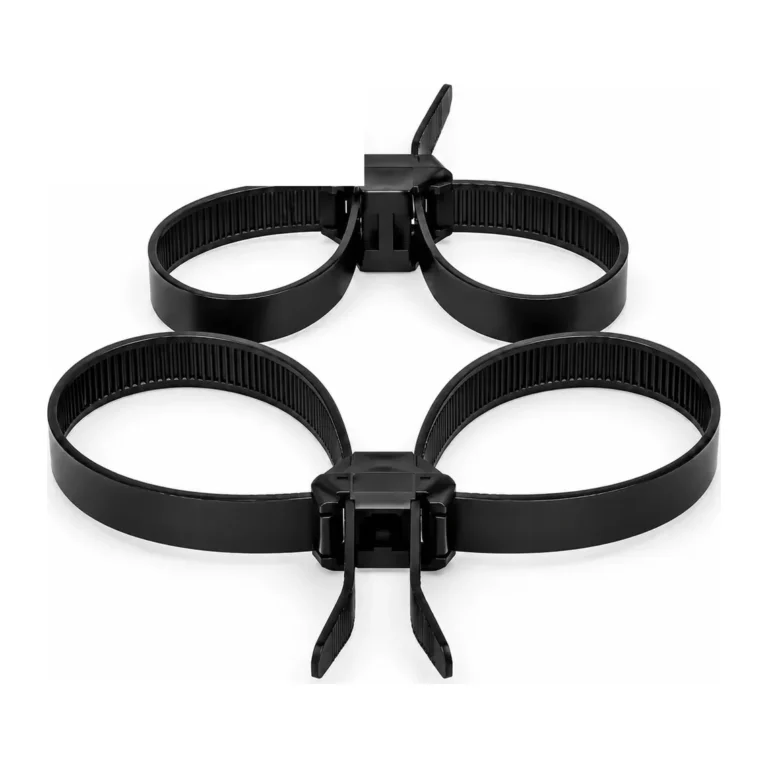
Where two hoses touch, vibration slowly wears through the outer cover. Dual handcuff cable ties hold each hose in its own loop with a gap between them, so they cannot rub. They are 12.7mm wide, made for hydraulic hose and thick lines; see dual handcuff ties for hydraulic hoses.
How should I wire a trailer or caravan?
- Run the trailer loom inside the drawbar where possible, so it is protected from stones and snags.
- Tie the loom every 300mm with black UV-stabilised ties.
- On flat panels, use adhesive mounts with a screw, or mountable ties that screw straight to the panel.
- Seal every join with adhesive dual wall heat shrink or heat shrink joiners. Trailer plugs and lights live in water and road salt.
- Leave a drip loop before plugs and lights so water runs off instead of into the connector.
- Check the loom and plug every service, especially after beach and water crossings.
Mounting options are compared in adhesive mounts, push mounts or mountable ties.
How do I wire accessories like driving lights and fridges?
For driving lights, fridges, dual battery systems and camp lighting, use proper crimp terminals crimped with a ratchet crimping tool, then seal the joins with adhesive dual wall heat shrink and support the run with ties every 300 to 400mm.
Use the right wire size for the current and run length, fuse every new positive feed close to the battery, and follow the accessory maker’s instructions. See how to crimp insulated terminals and red, blue and yellow terminals explained.
What should I check after off-road trips?
- Ties that have snapped, faded or cracked, especially under the bonnet.
- Looms resting on hot or sharp parts.
- Hoses rubbing together or on the chassis.
- Water or corrosion in trailer plugs and light housings.
- Mud packed around looms, which holds water against connectors.
Quick answers
Can I use nylon cable ties near the exhaust?
No. Nylon softens and fails near exhausts and turbos. Use stainless steel ties there.
What are push type cable ties for?
They clip into a hole in the panel or chassis, so the tie and the bundle are fixed in one step. They suit factory loom holes.
How often should vehicle wiring be tied?
Every 300 to 400mm along a run, closer where it could flap or rub.
What ties should I use on a trailer?
Black UV-stabilised nylon ties every 300mm, with sealed joins and protected plugs.